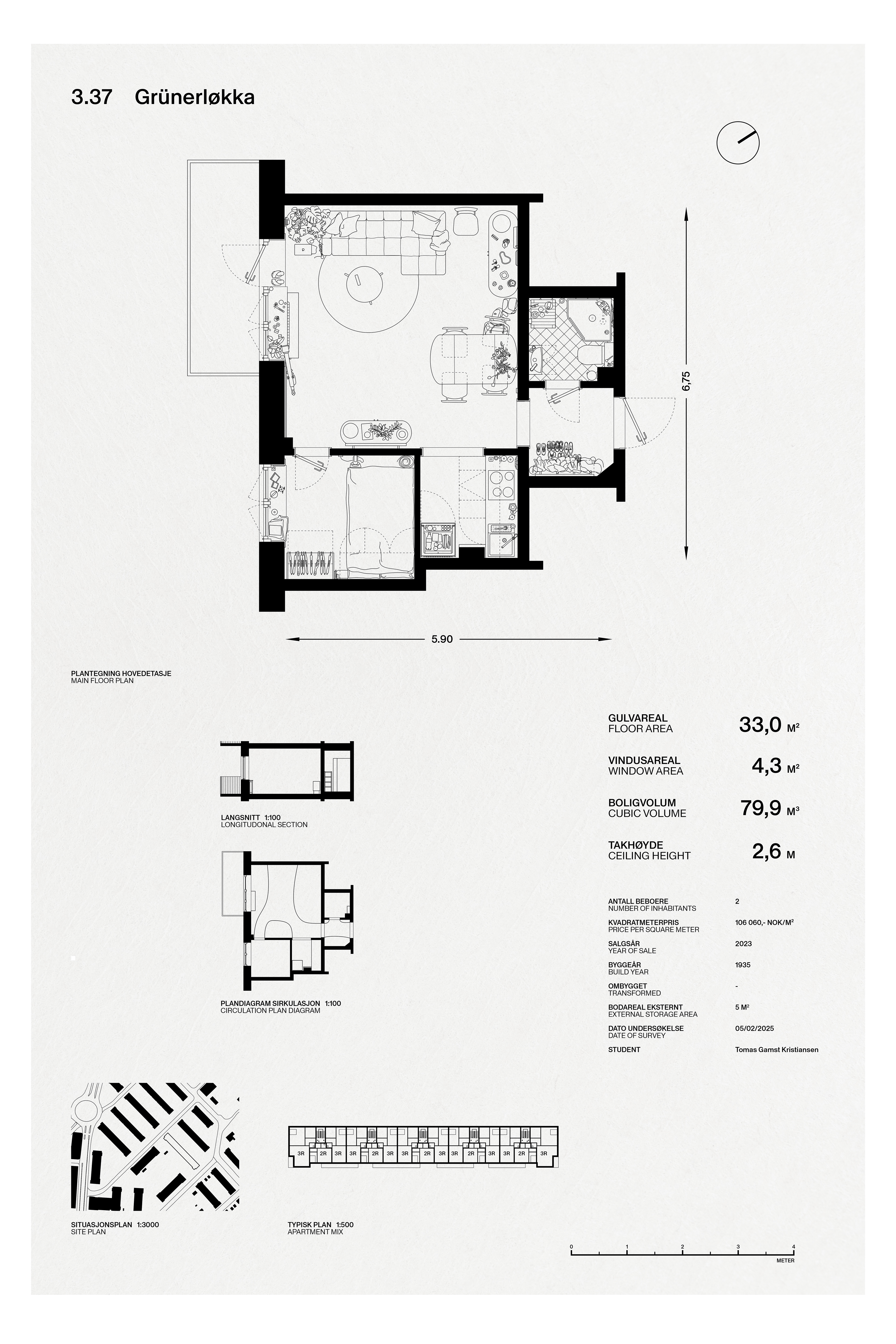
“Hva er en god (nok) bolig?” The course was organized by Ny Boligplan and took as its point of departure the growing tendency to build increasingly smaller apartments in high-pressure urban areas, a trend brought into focus by the Oslo City Council’s reduction of the minimum size requirement from 35 m² to 30 m². This development raises questions about how the Norwegian ideal of universal homeownership confronts the lower threshold of housing quality.
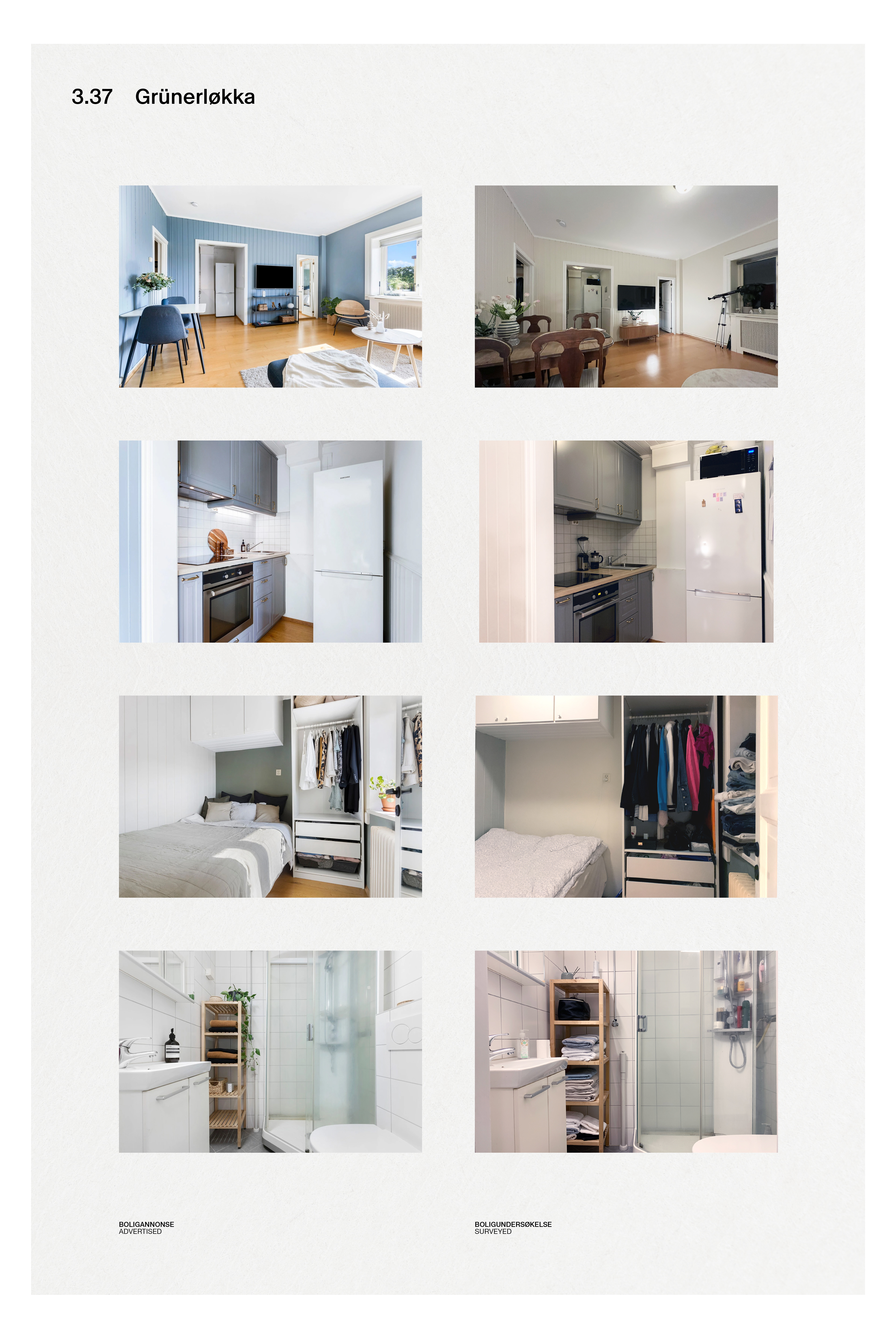
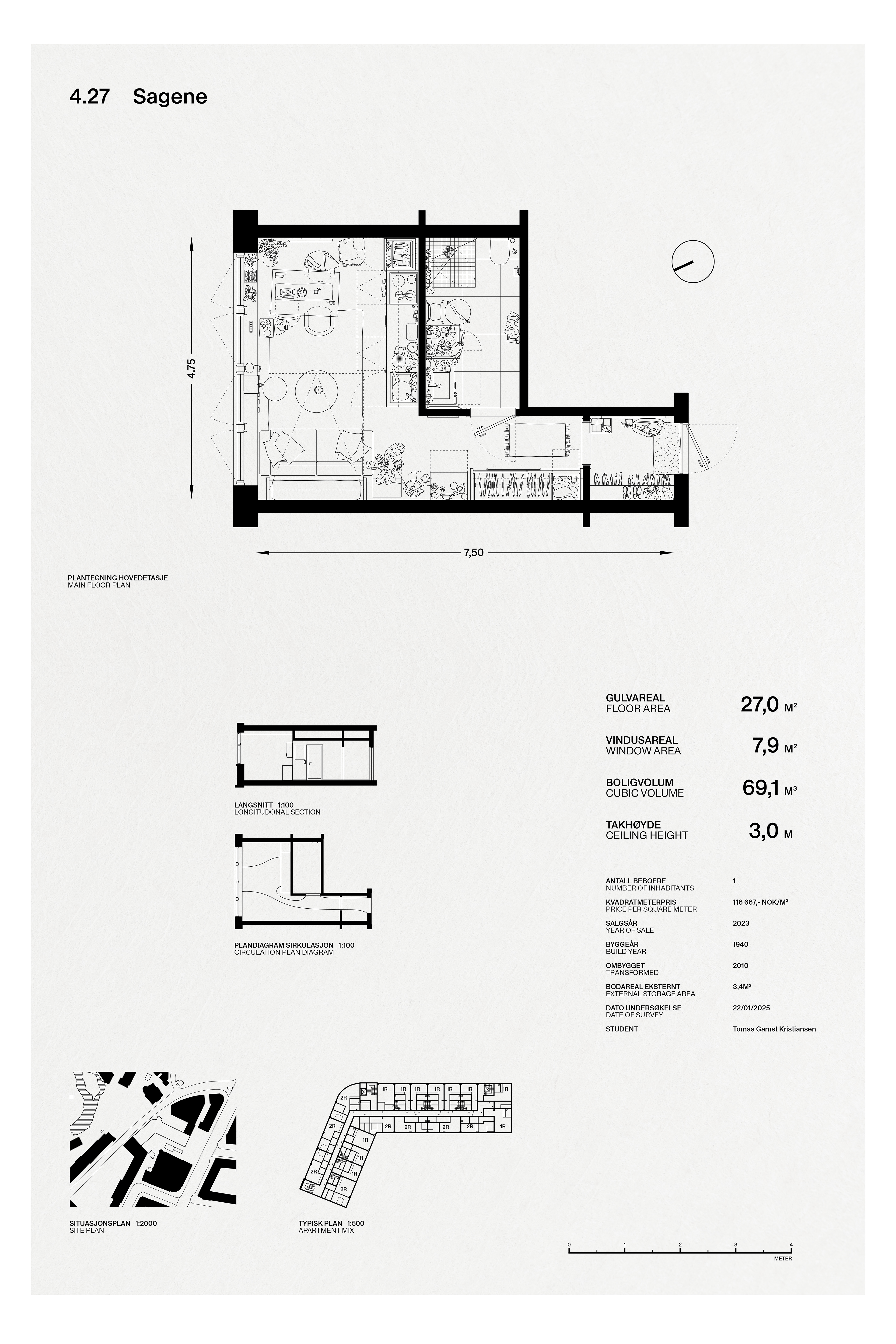
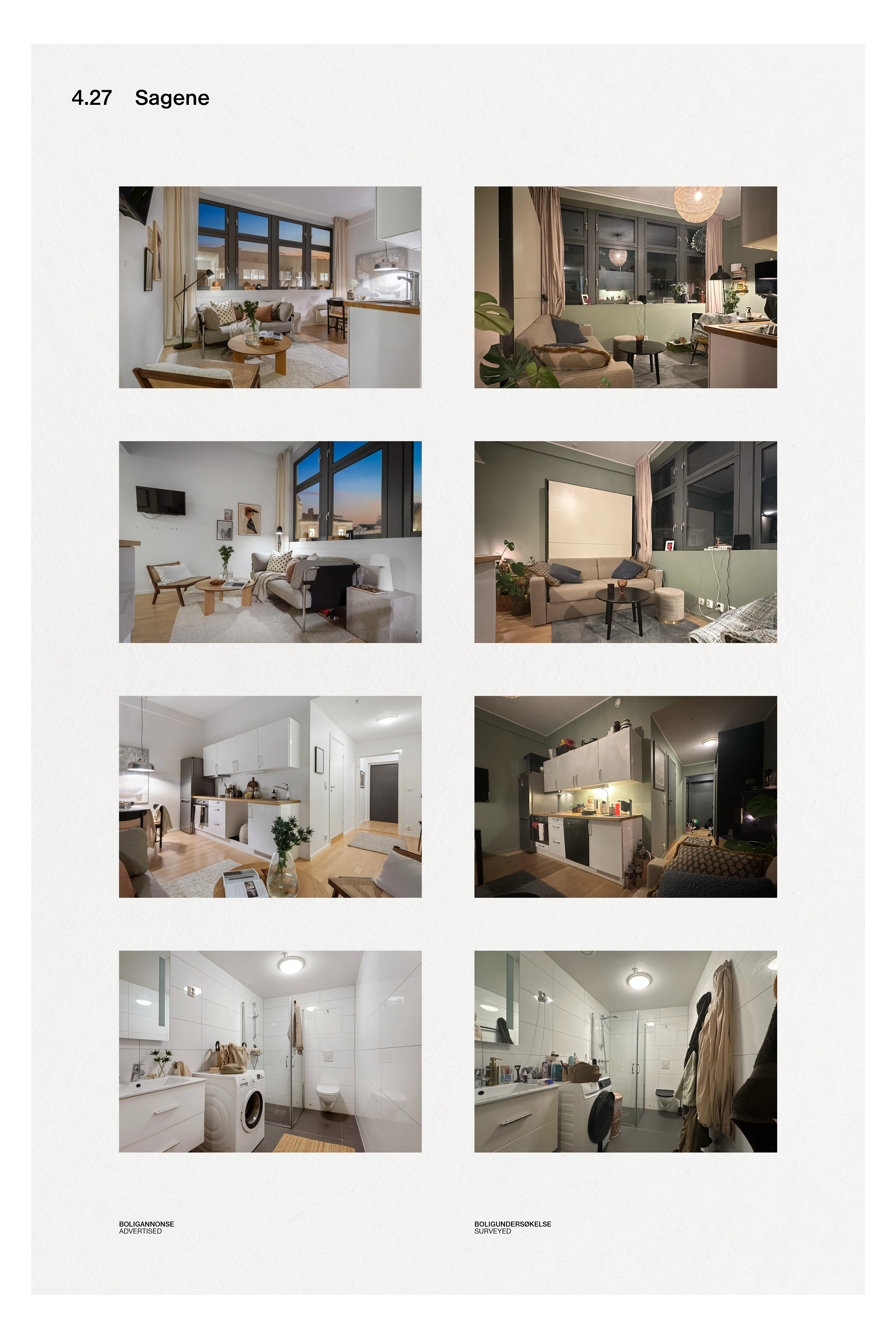
Through the course, we asked: How do we use and furnish small apartments, and what minimum requirements should be set for a dwelling unit?
HOUSING RESEARCH
MANUMSTUEN 2.0: FROM FURNITURE TO PLAN
The Manumstue is an apartment typology identified by Bendik Manum as particularly characteristic of small dwellings in our time. The typology consists of a rectangular volume, where the spatial organization follows principles from the traditional Norwegian bondestue. From the entrance, one can access the bedroom either directly, through the living room, or in the smallest apartments within a single-room layout with an alcove.
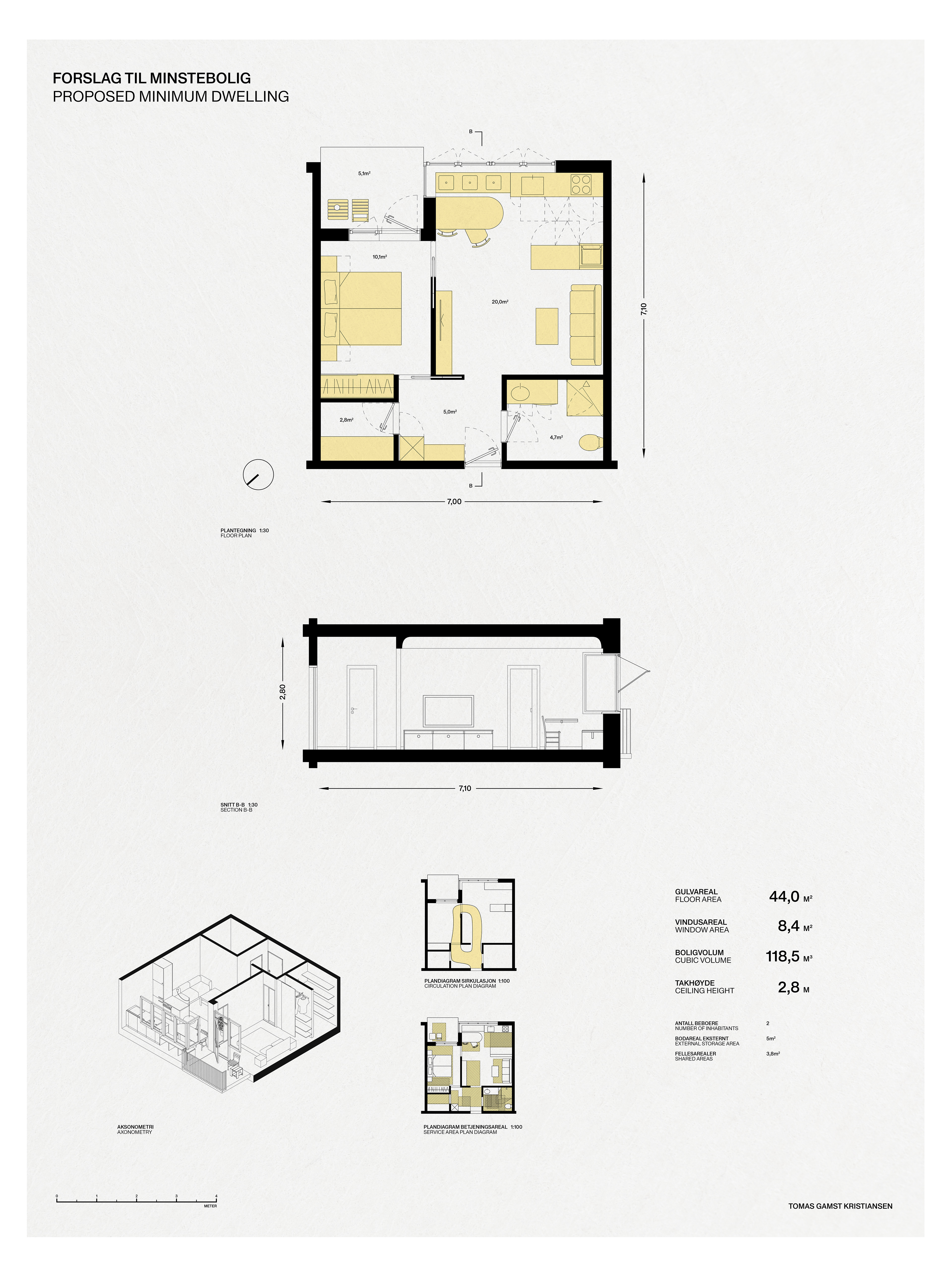
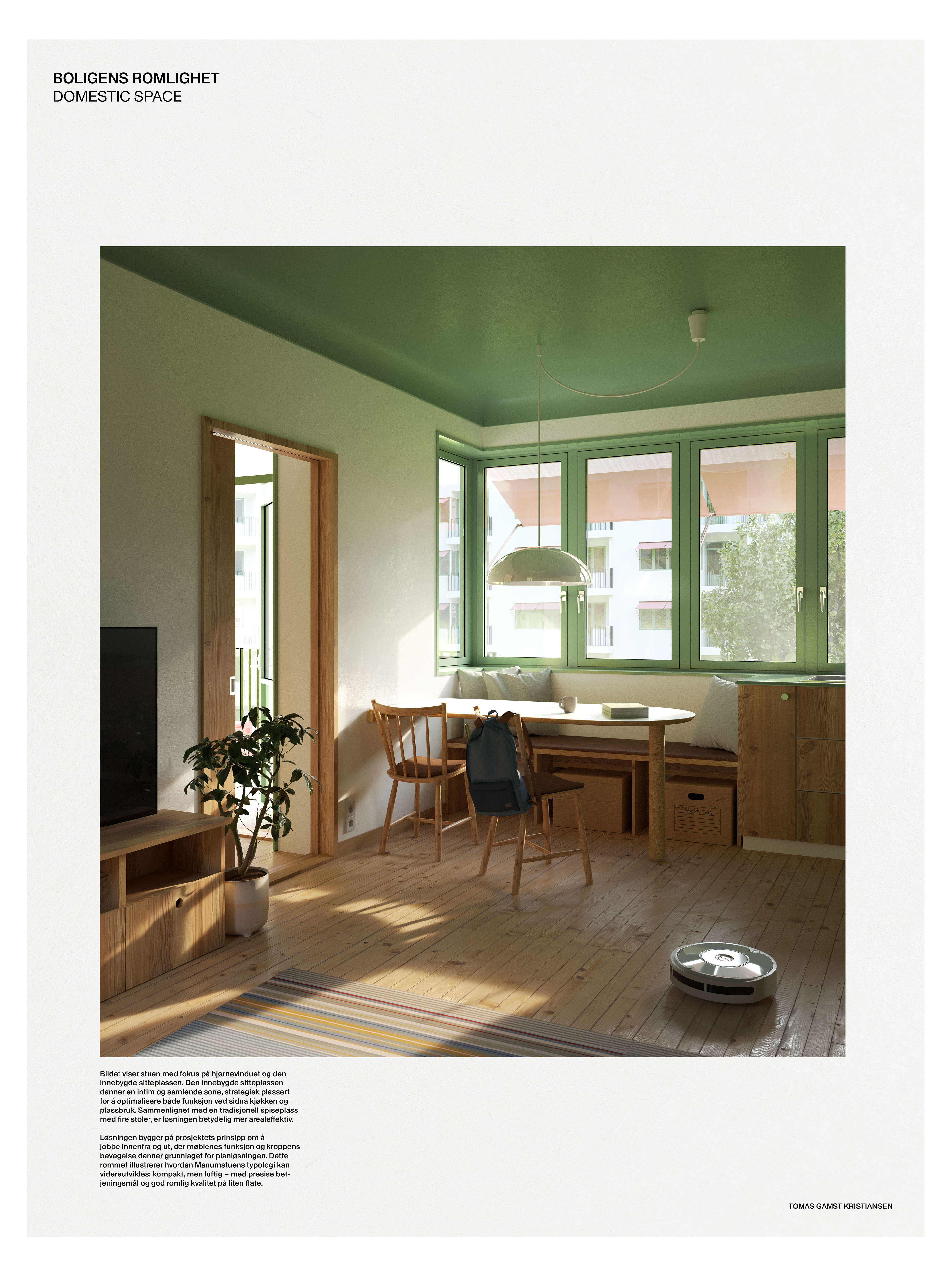
By building on this principle, the project has developed a housing proposal and a refinement of the Manumstue, exploring how current space requirements can be challenged while simultaneously improving quality of life and spatial quality.
Through a 1:1 roomlab simulated plan view testing the space required around each furniture. The project develops floor plans based on a methodology that takes human use and bodily needs as its starting point. The process first examines the spatial requirements of individual pieces of furniture, and then uses this as the foundation for a new understanding of space-efficient planning.